

Cannabis concentrates offer potent, flavourful alternatives to traditional flower, but varieties like rosin, resin (often referring to live resin), and distillate differ in production, quality, and effects. Here’s a breakdown to help you choose wisely.
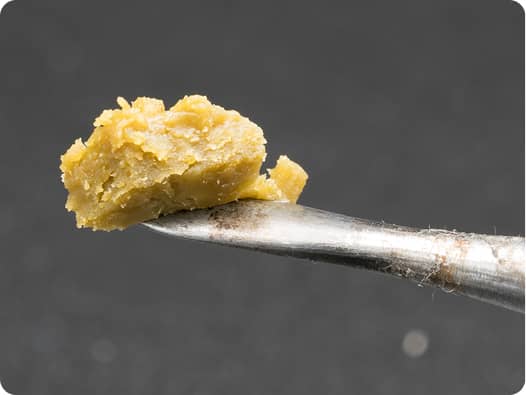
Rosin
Rosin: a solventless extract prized for its purity. It’s made by applying heat and pressure to cannabis flower, kief, or hash, squeezing out a sticky, golden resin without chemicals. Live rosin, a premium variant, uses fresh-frozen plant material for better terpene preservation. The result? A full-spectrum product with balanced cannabinoids and flavours, often considered high-quality due to its clean, natural process—ideal for dabbing or edibles.
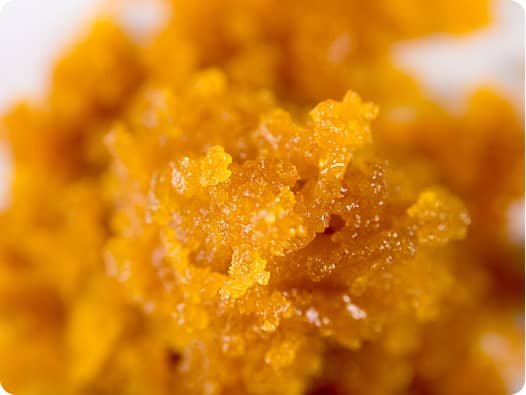
Resin
Resin: commonly live resin, involves solvent-based extraction (like butane or CO2) from fresh-frozen cannabis buds harvested at peak ripeness. This method captures volatile terpenes lost in drying, yielding a terpene-rich, full-spectrum concentrate with robust aromas and effects true to the strain. It’s more flavorful than distillate but may contain trace solvents, though reputable producers purge them thoroughly.

Distillate
Distillate is the most refined option, created through distillation of crude oil extracted from dried cannabis using solvents. It isolates THC or CBD to 90%+ purity, stripping away most terpenes and other compounds unless re-added. This makes it versatile for vapes or edibles, with consistent potency, but it lacks the entourage effect of full-spectrum options, often feeling less nuanced in flavour and experience.
Quality-wise, rosin and live resin edge out distillate for natural profiles and complexity, while distillate excels in potency and neutrality. Processing impacts safety—solventless rosin is “cleanest,” but all legal products meet strict standards. Experiment based on your preferences for flavour, strength, or purity.
Learn More About Cannabis

THC/MG Limits
Canada’s cannabis regulations, overseen by Health Canada, set strict limits on THC content and package sizes to promote responsible use…
Read More
What is Flow Through?
Flow-Through operates on a made-to-order basis: retailers select items from an expanded, wholesale-exclusive catalog, and the OCS facilitates direct shipment…
Read More